A clogged kitchen sink is one of the most common plumbing problems homeowners face. While it may be tempting to reach for harsh chemicals or aggressive tools, those quick fixes can lead to pipe damage and bigger repairs down the road. Knowing how to unclog a kitchen sink without damaging your pipes helps restore proper drainage while protecting your plumbing system.
What Causes Kitchen Sink Clogs
Most kitchen sink clogs develop gradually. Common causes include:
- grease and oil buildup
- food scraps and starches
- soap residue
- coffee grounds and debris
Over time, these materials coat the inside of pipes, narrowing the drain and slowing water flow.
Understanding the cause is the first step toward safe kitchen drain cleaning.
Start With Boiling Water
For minor clogs caused by grease, boiling water can be effective. Slowly pour hot water down the drain in stages, allowing it to work through the buildup.
This method is one of the safest ways to begin unclogging a kitchen sink because it does not introduce chemicals or physical stress to the pipes.
Use a Plunger the Right Way
A plunger is a safe and effective tool when used properly. Make sure there is enough water in the sink to cover the plunger cup, then apply steady, controlled pressure.
Plunging helps dislodge soft blockages without scratching or stressing pipe connections.
Try Baking Soda and Vinegar
A natural approach to clearing kitchen sink drains involves baking soda and vinegar. Pour baking soda down the drain, followed by vinegar, then cover the drain briefly.
This reaction can help break down grease and organic buildup without harming pipes, making it a safer alternative to chemical cleaners.
Check and Clean the P Trap
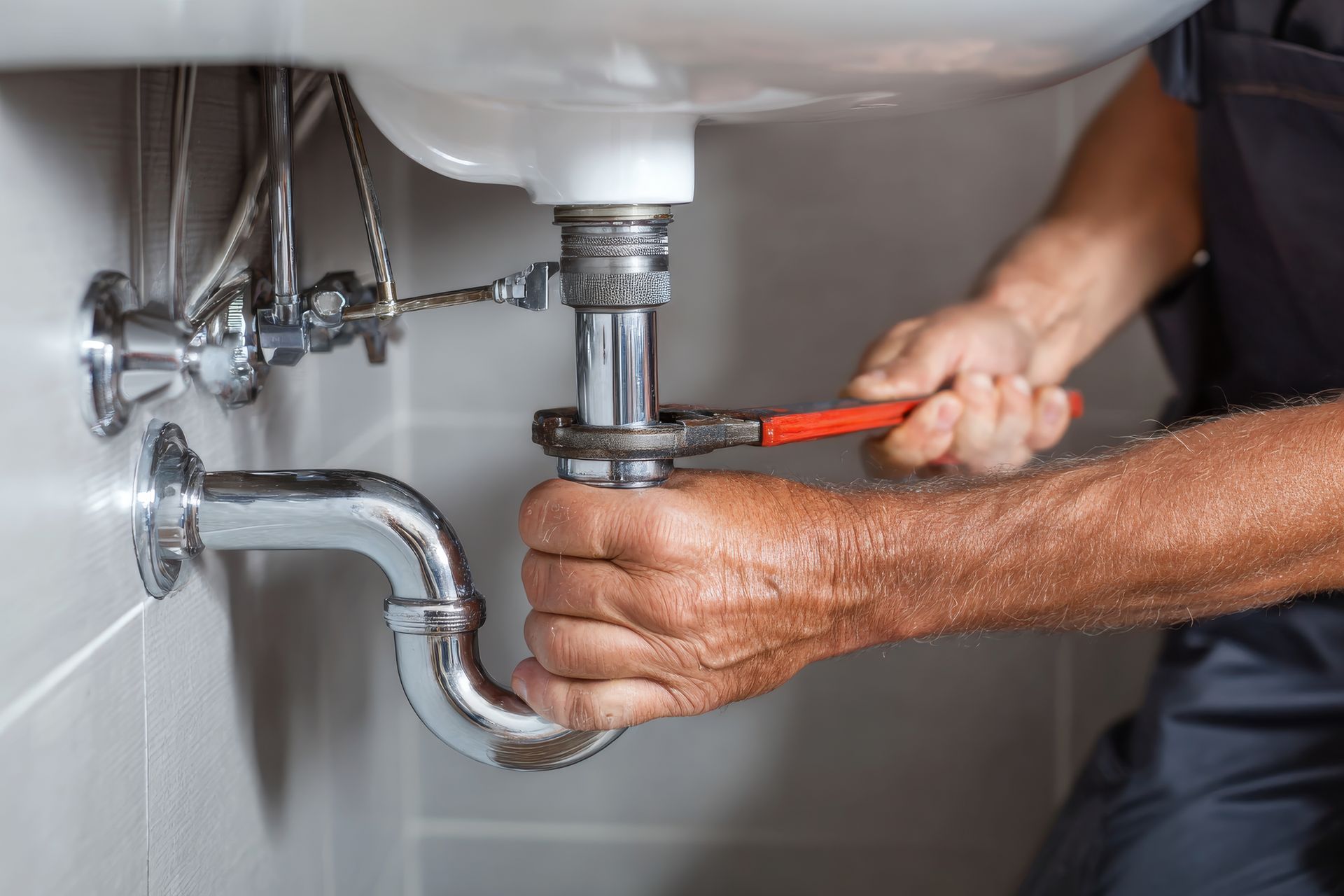
The P-trap under the sink often collects debris. Placing a bucket underneath and carefully removing the trap allows you to clear blockages directly.
Cleaning the P-trap is a controlled way to address clogs while avoiding unnecessary force on the plumbing system.
Use a Drain Snake Carefully
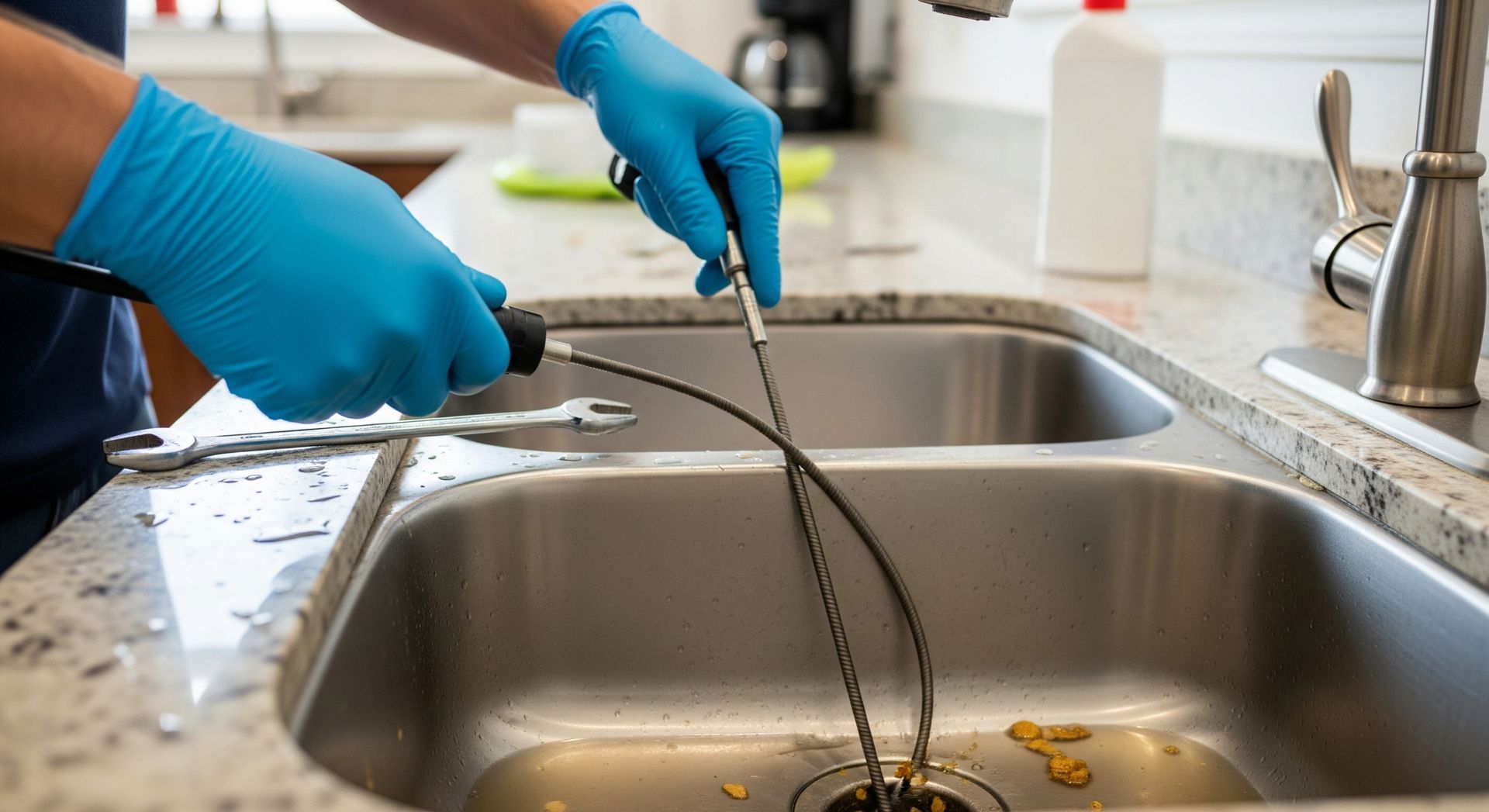
A hand auger or drain snake can help reach clogs deeper in the pipe. Insert it slowly and avoid forcing it forward.
Gentle use is key to safe drain cleaning, as aggressive movement can damage pipe walls or fittings.
Why Chemical Drain Cleaners Can Be Risky
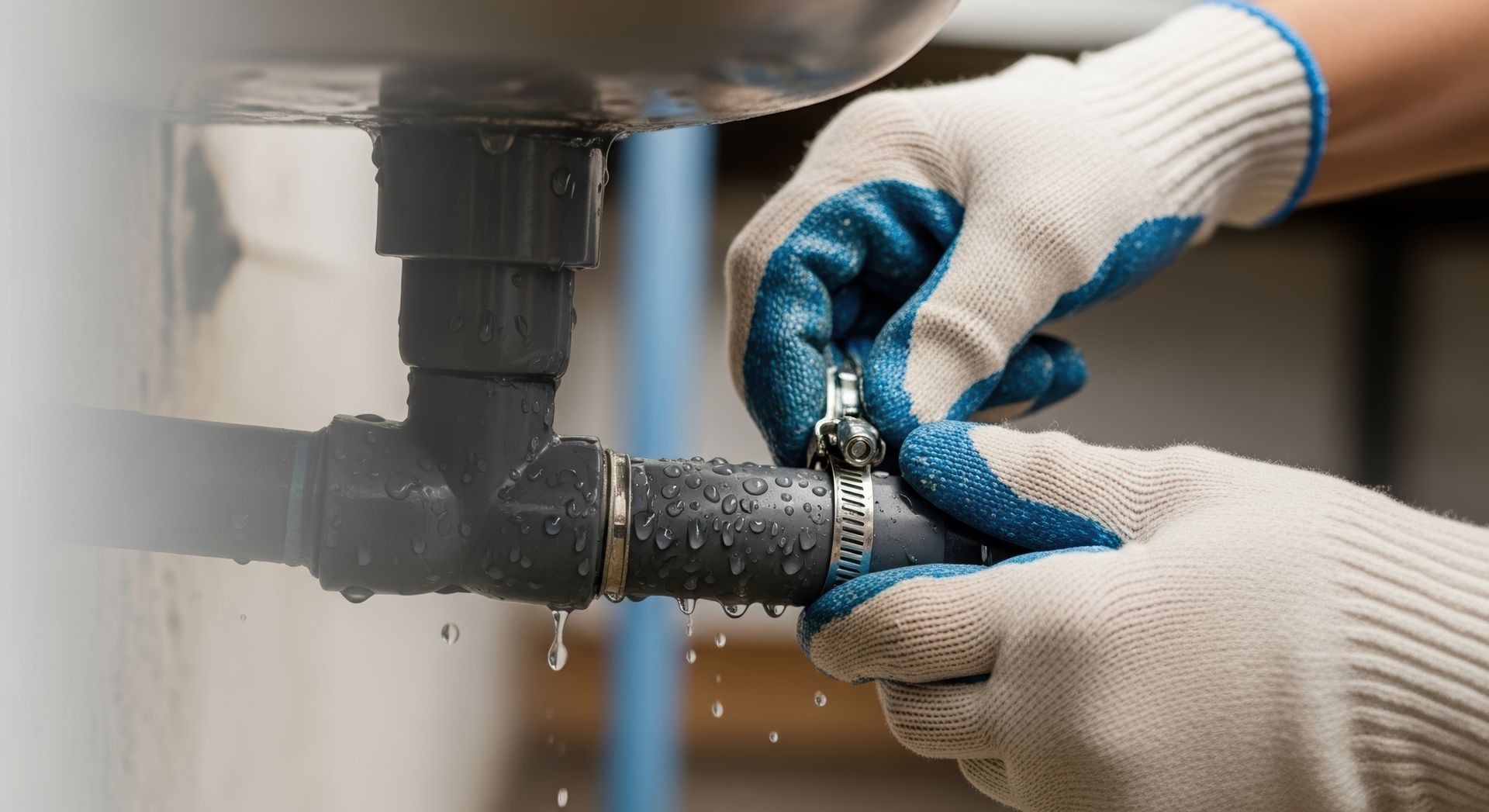
Many store-bought drain cleaners rely on harsh chemicals that generate heat. These products can weaken pipes, especially older plumbing systems.
Repeated use increases the risk of corrosion, leaks, and long-term damage. Avoiding chemicals is one of the best ways to protect your pipes.
When a Kitchen Sink Clog Signals a Bigger Problem
If clogs return frequently or multiple drains are affected, the issue may be deeper in the plumbing system.
Persistent clogged kitchen sink problems often require professional inspection to prevent more serious damage.
Keeping Your Kitchen Sink Flowing Smoothly
Preventing future clogs starts with mindful habits. Avoid pouring grease down the drain, use strainers to catch food particles, and flush the drain regularly with hot water.
Routine care reduces buildup and supports long-term plumbing health.
Protecting Your Pipes the Right Way
Knowing how to unclog a kitchen sink without damaging your pipes allows homeowners to address minor issues safely while avoiding costly repairs. Gentle methods, proper tools, and knowing when to stop all play an important role. When clogs go beyond basic solutions, Edwards Plumbing provides professional drain cleaning services and plumbing expertise to resolve stubborn blockages while protecting the integrity of your home’s plumbing system.
Share this blog!