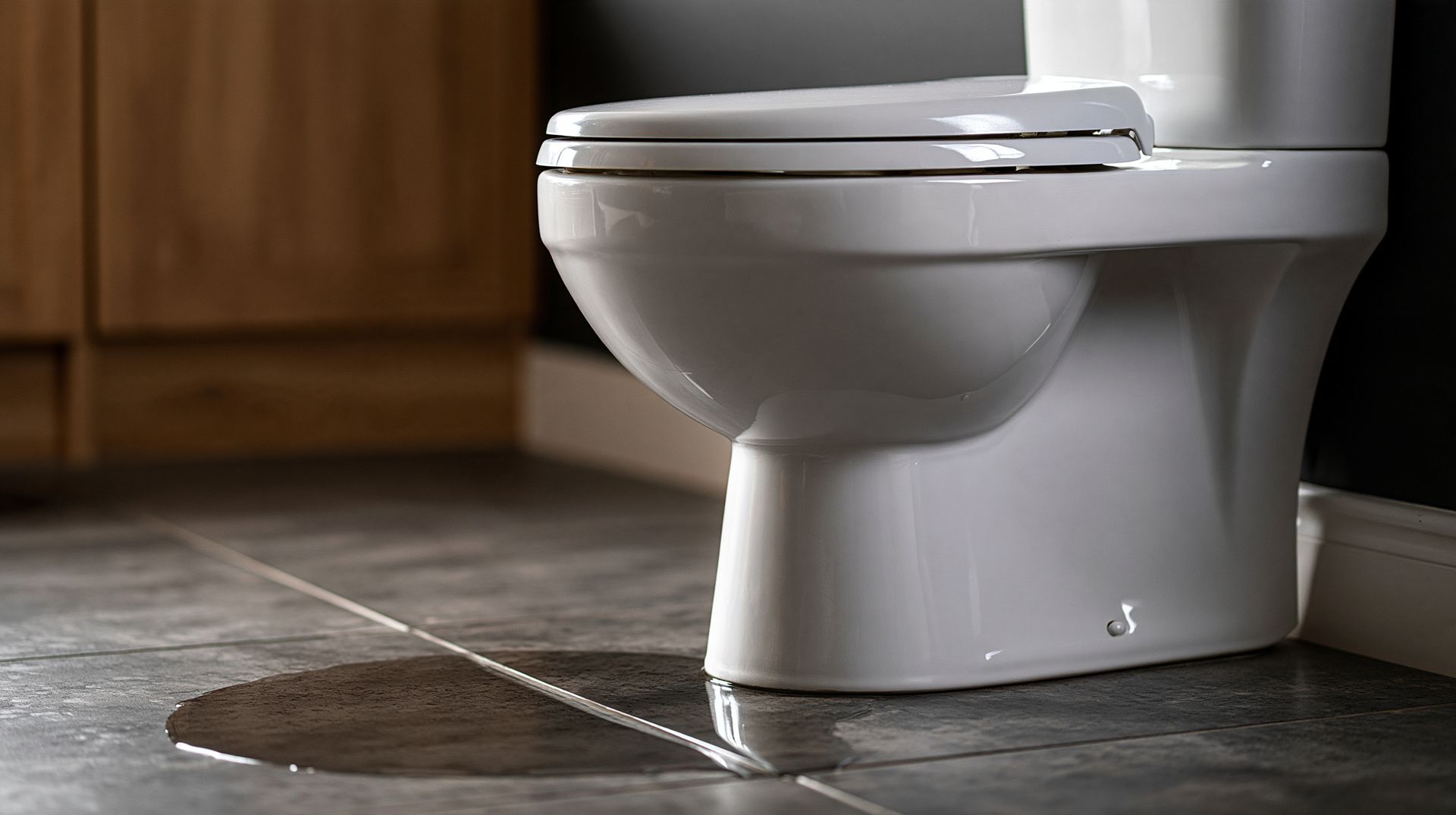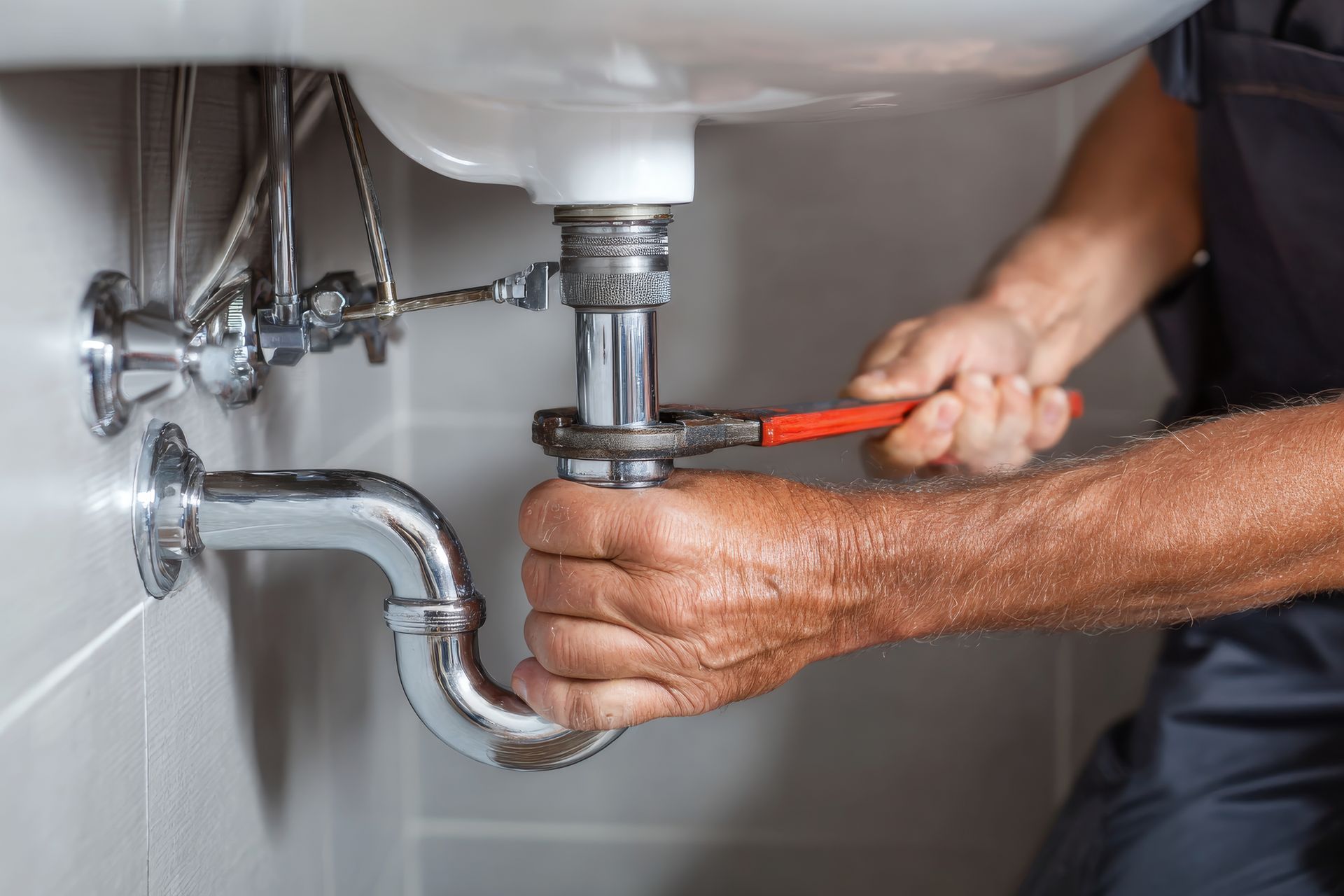
If you constantly hear water running long after you flush, you are not alone. A running toilet is one of the most common household plumbing issues, and it can waste hundreds of gallons of water each day.
Understanding why your toilet is always running and knowing a few simple spring fixes can help reduce your water bill and prevent long-term plumbing damage.
What Causes a Toilet to Keep Running?
In most cases, a toilet runs because water continuously flows from the tank into the bowl. The issue typically comes from worn or misaligned components inside the tank.
Common causes include:
- A worn toilet flapper valve
- An improperly adjusted toilet float
- A faulty fill valve
- Mineral buildup from hard water
- A chain that is too tight or tangled
Identifying the exact issue is the first step toward a simple repair.
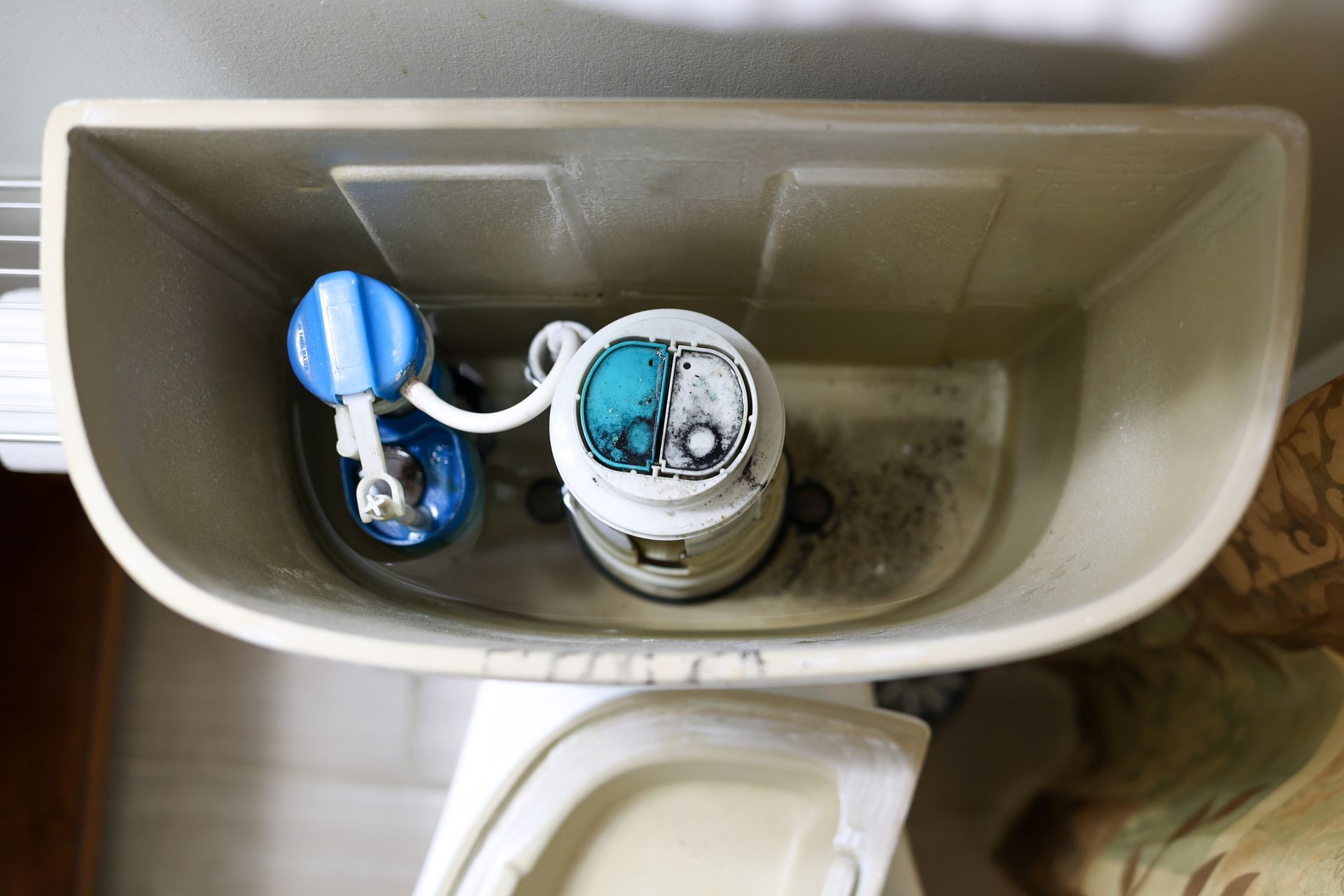
Check the Toilet Flapper First
The toilet flapper is the rubber seal at the bottom of the tank that lifts when you flush. Over time, it can become warped or brittle.
Signs your flapper may need replacement:
- Water trickling into the bowl
- The tank refilling without flushing
- A visible gap between the flapper and the valve seat
Replacing a flapper is one of the easiest and most affordable plumbing fixes.
Adjust the Float to Prevent Overfilling
The toilet float valve controls how much water fills the tank. If the float is set too high, water will continuously spill into the overflow tube.
To fix this:
- Locate the float adjustment screw
- Lower the float slightly
- Flush to test the water level
Proper adjustment can stop a toilet from running in minutes.
Inspect the Fill Valve
If adjusting the float does not solve the issue, the fill valve may be malfunctioning. A damaged fill valve can cause inconsistent water levels and continuous cycling.
Spring is a good time to inspect these components as part of routine bathroom plumbing maintenance.
Hard Water Buildup Can Interfere With Seals
Mineral deposits can accumulate on seals and internal parts, especially in areas with hard water.
Cleaning buildup or replacing affected components helps restore proper function and prevent repeated leaks.
Why Spring Is a Smart Time for Plumbing Checks
Seasonal transitions often reveal plumbing inefficiencies. As homeowners prepare for warmer months, checking for small leaks and fixture issues can prevent unnecessary water waste.
Addressing a running toilet repair early can:
- Lower your water bill
- Prevent mold growth
- Protect surrounding flooring
- Improve bathroom efficiency
Even minor leaks add up over time.
When to Call a Professional Plumber
If multiple adjustments fail to stop the issue, or if you notice water damage around the base of the toilet, professional inspection may be necessary.
More complex problems can include:
- Cracked overflow tubes
- Worn flush valves
- Hidden leaks in the plumbing line
Prompt service prevents more expensive repairs later.
Small Fixes Can Make a Big Difference
A constantly running toilet may seem minor, but it wastes water and increases monthly expenses. Fortunately, many causes are simple and affordable to fix. If adjustments or part replacements do not resolve the problem, Edwards Plumbing provides professional toilet repair services and full plumbing inspections throughout Monroe County and surrounding areas, helping homeowners conserve water and maintain efficient systems year-round.
Share this blog!