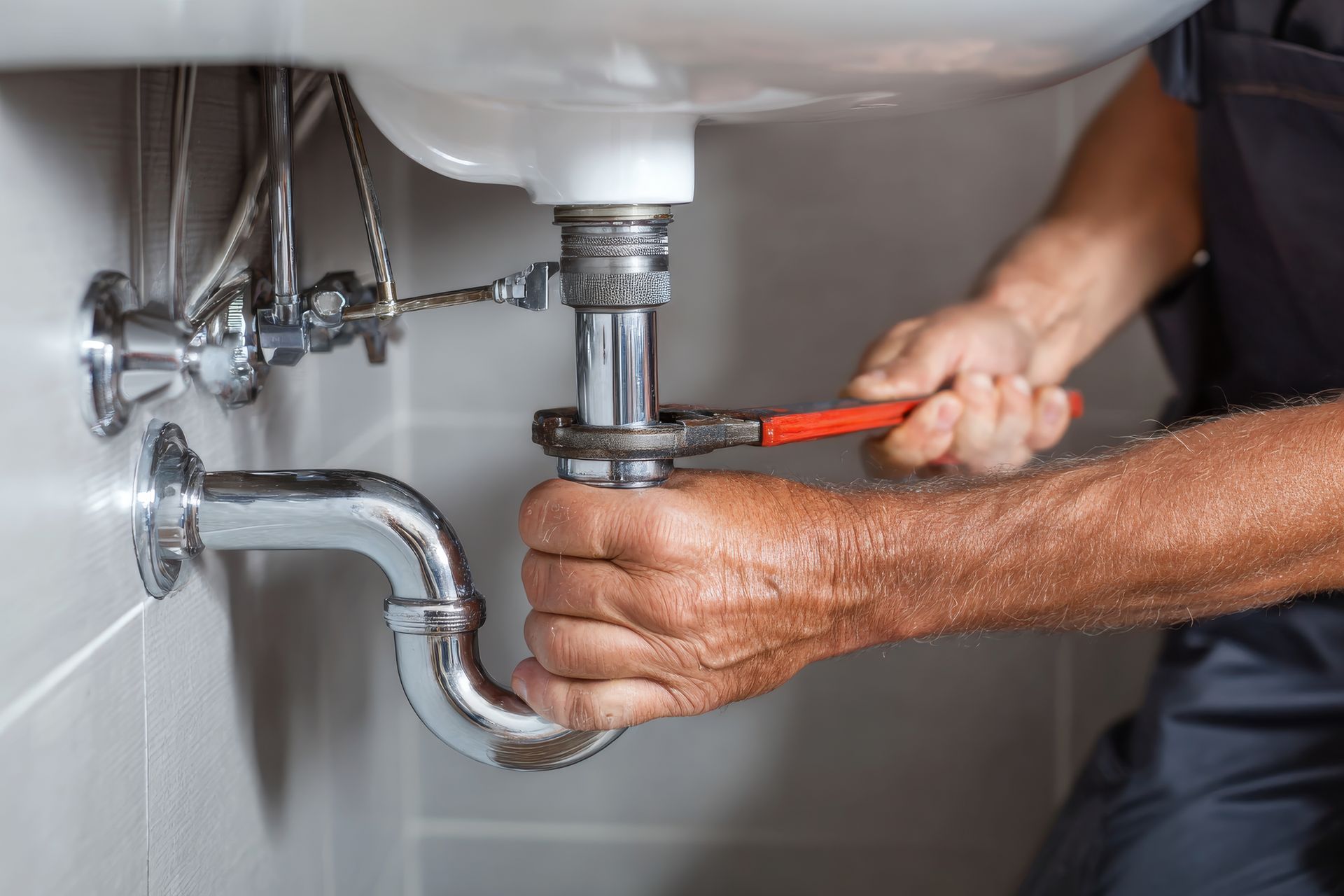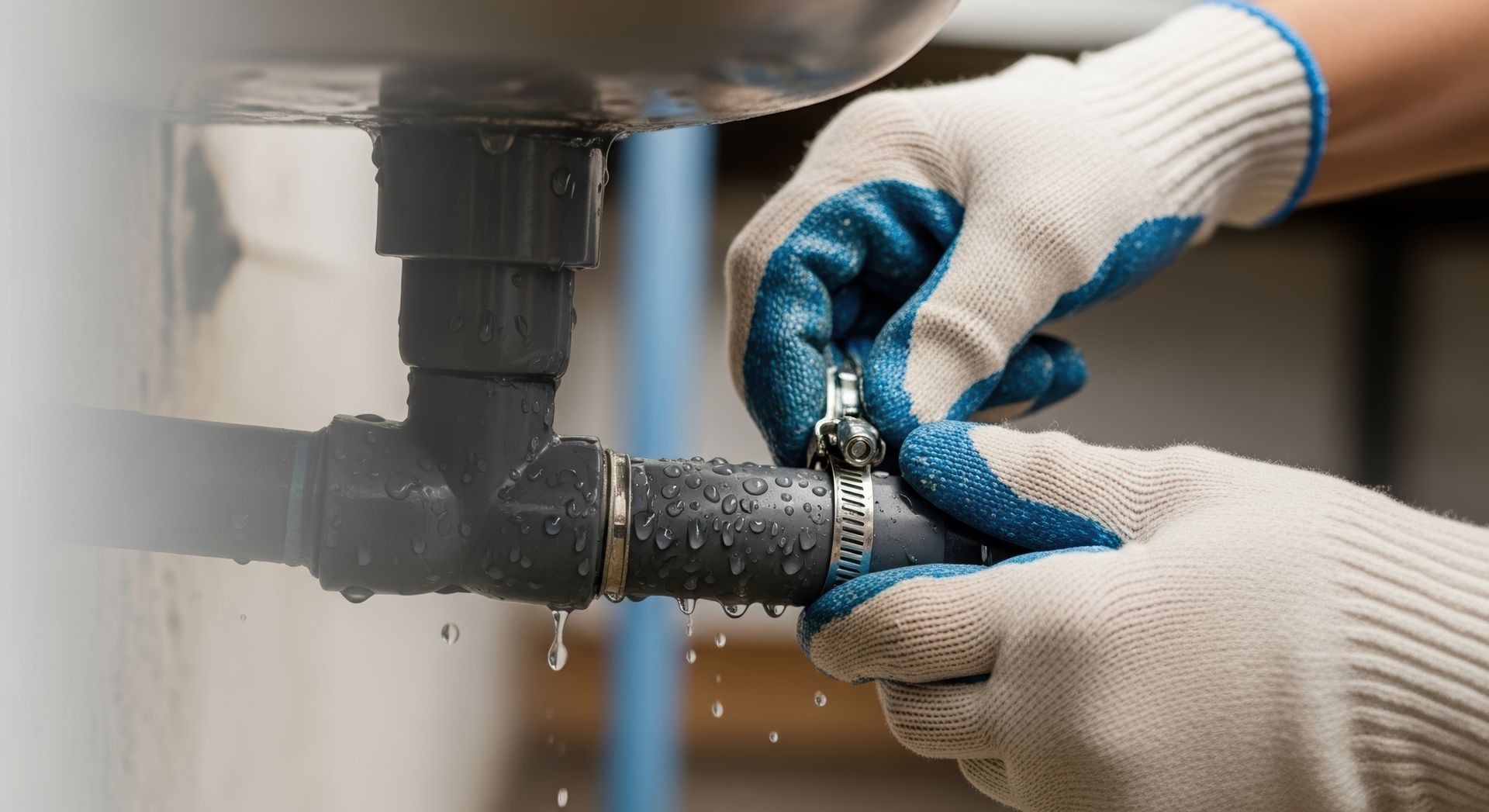
Cold winter temperatures can put added stress on household plumbing systems, often leading to unexpected issues when demand is highest. Understanding the most common winter plumbing problems helps homeowners take preventative steps and respond quickly when issues arise. From frozen pipes to water heater trouble, winter conditions can impact both water flow and system reliability.
Frozen Pipes
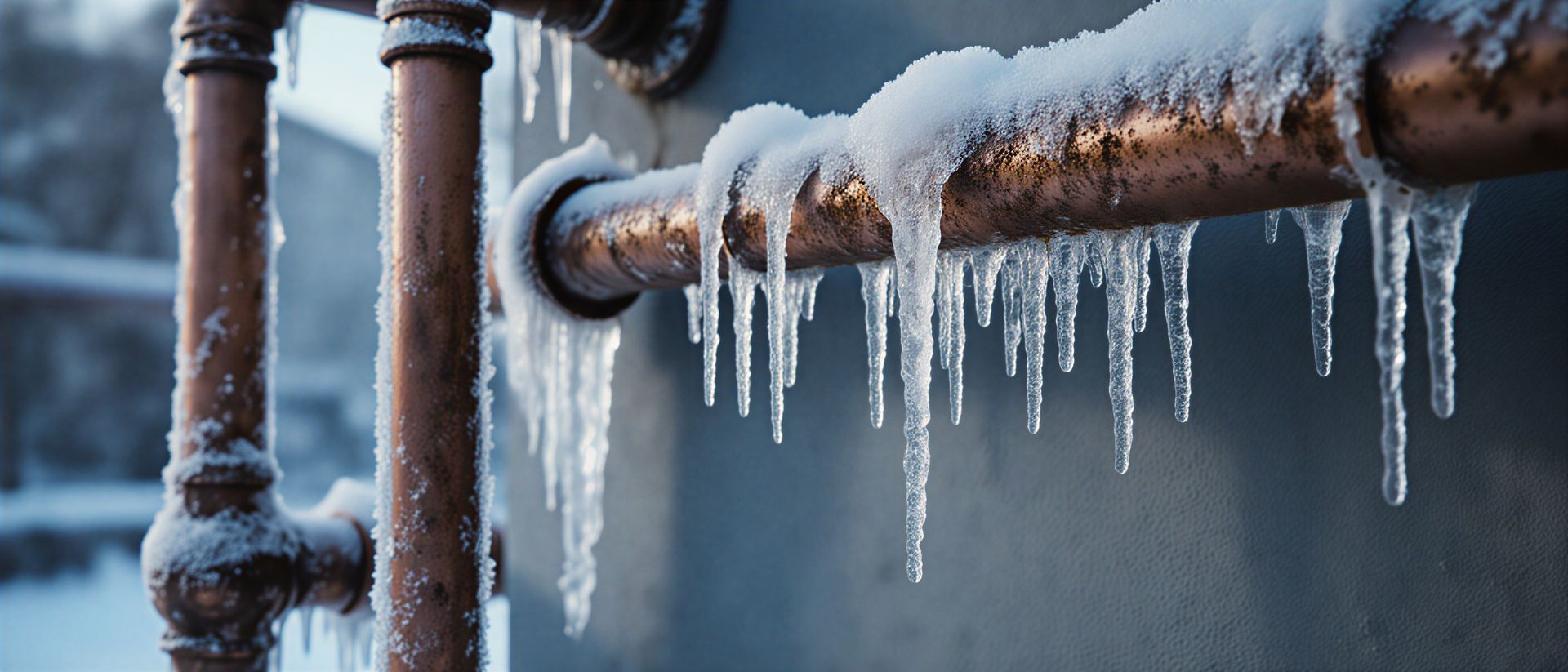
One of the most common and damaging winter plumbing problems is frozen pipes. When temperatures drop, water inside exposed or poorly insulated pipes can freeze, expand, and cause pipes to crack or burst. Frozen pipes are most common in basements, crawl spaces, exterior walls, and unheated areas.
Early warning signs include reduced water pressure, frost on pipes, or unusual sounds when turning on faucets.
Burst Pipes and Water Damage
If frozen pipes are not addressed promptly, they can burst and cause significant water damage once temperatures rise. Burst pipes can flood walls, floors, and ceilings, leading to costly repairs and mold growth.
Quick response and professional emergency plumbing services are critical to minimizing damage during winter pipe failures.
Water Heater Problems
Winter places extra demand on water heaters, especially as incoming water temperatures drop. Sediment buildup, aging components, or increased usage can cause inconsistent hot water or system failure.
Routine water heater maintenance helps ensure reliable hot water throughout the winter months.
Clogged Drains
Grease, food waste, and debris tend to build up more during winter, especially around the holidays. Cold temperatures can also cause grease to solidify inside pipes, leading to clogged drains and slow drainage.
Regular drain cleaning services help prevent backups and keep plumbing systems flowing properly.
Sewer Line Issues
Cold weather can worsen existing problems in sewer lines. Ground freezing and thawing can shift soil, stressing pipes and increasing the risk of cracks or blockages. Tree roots may also continue to invade sewer lines even during winter.
Signs of sewer line problems include foul odors, gurgling drains, and multiple fixtures backing up at once.
Outdoor Plumbing and Hose Bibs
Exterior faucets and hose bibs are particularly vulnerable during winter. If not properly winterized, trapped water can freeze and damage pipes behind the walls.
Disconnecting hoses and protecting outdoor plumbing helps reduce the risk of winter plumbing damage.
Low Water Pressure
Low water pressure is another common winter complaint. Frozen pipes, leaks, or partial blockages can restrict water flow throughout the home. Identifying the cause early prevents further strain on the plumbing system.
Conclusion
Winter weather can create serious challenges for household plumbing, from frozen pipes and burst pipes to water heater problems and clogged drains. Staying aware of common winter plumbing problems helps homeowners act quickly and protect their property. For reliable plumbing repair, emergency plumbing services, and winter maintenance support, Edwards Plumbing provides experienced solutions to keep your plumbing system running smoothly all season long.
Share this blog!