Low water pressure in your house can make everyday tasks frustrating, from taking a shower to washing dishes. If your faucets are barely flowing or your shower suddenly feels weaker than usual, there may be an underlying plumbing problem.
Low water pressure is commonly caused by mineral buildup, partially closed valves, plumbing leaks, aging pipes, or problems with your home's water supply. The cause often depends on whether the problem affects one fixture or your entire house.
For homeowners in East Stroudsburg, Stroudsburg, and the surrounding Pocono Mountains, understanding these warning signs can help prevent small plumbing issues from becoming expensive repairs.
What Causes Low Water Pressure in a House?
Several plumbing problems can reduce the amount of water flowing through your fixtures. Some are relatively simple to correct, while others require professional attention.
1. Mineral Buildup in Faucets and Showerheads
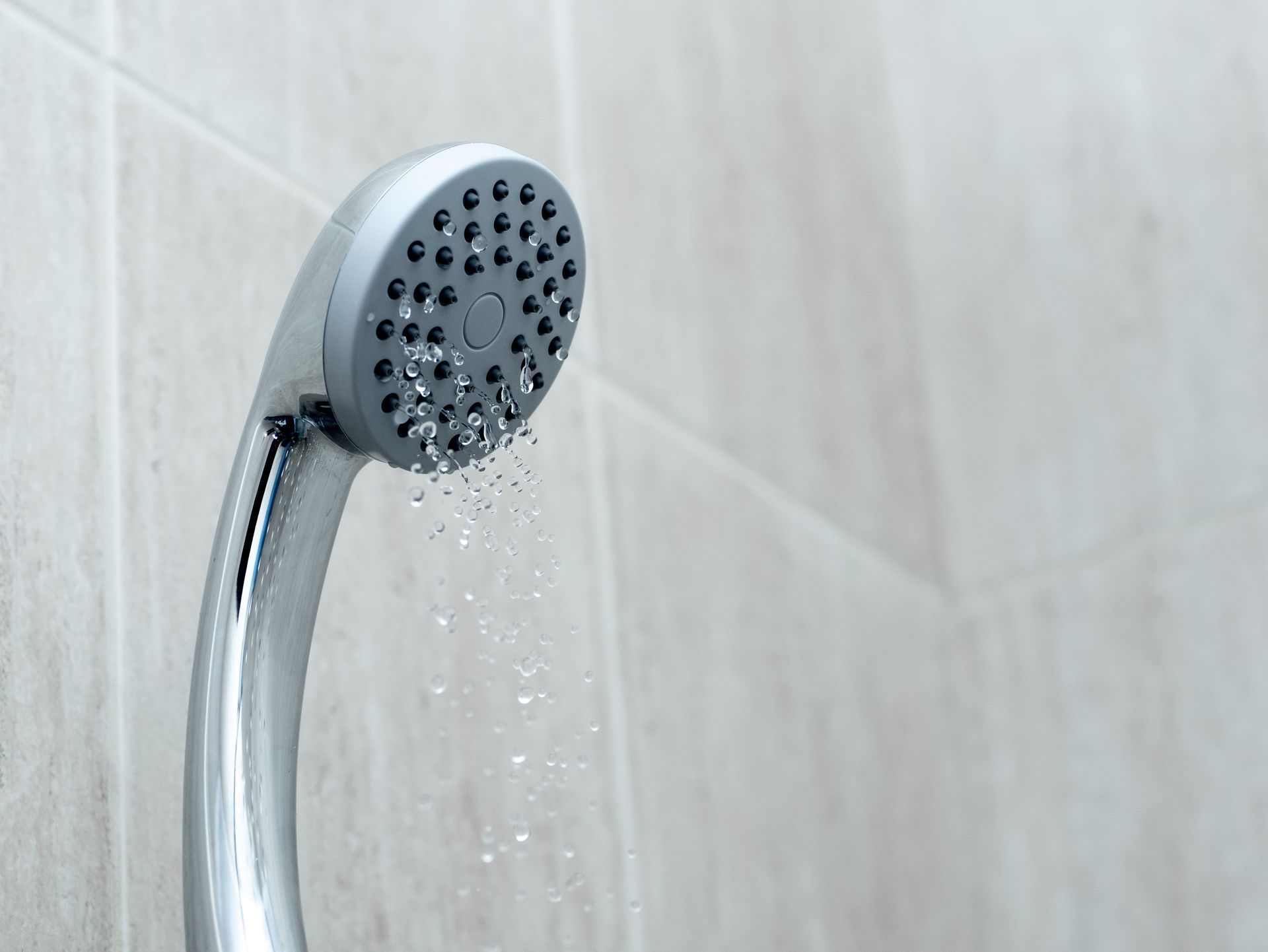
Over time, minerals and sediment can accumulate inside faucet aerators and showerheads, restricting water flow.
Common signs include:
- Weak water flow from one faucet or shower
- Uneven spray patterns
- Visible mineral deposits around fixture openings
- Normal pressure elsewhere in the house
If only one fixture is affected, cleaning the aerator or showerhead may improve water flow.
2. Hidden Plumbing Leaks
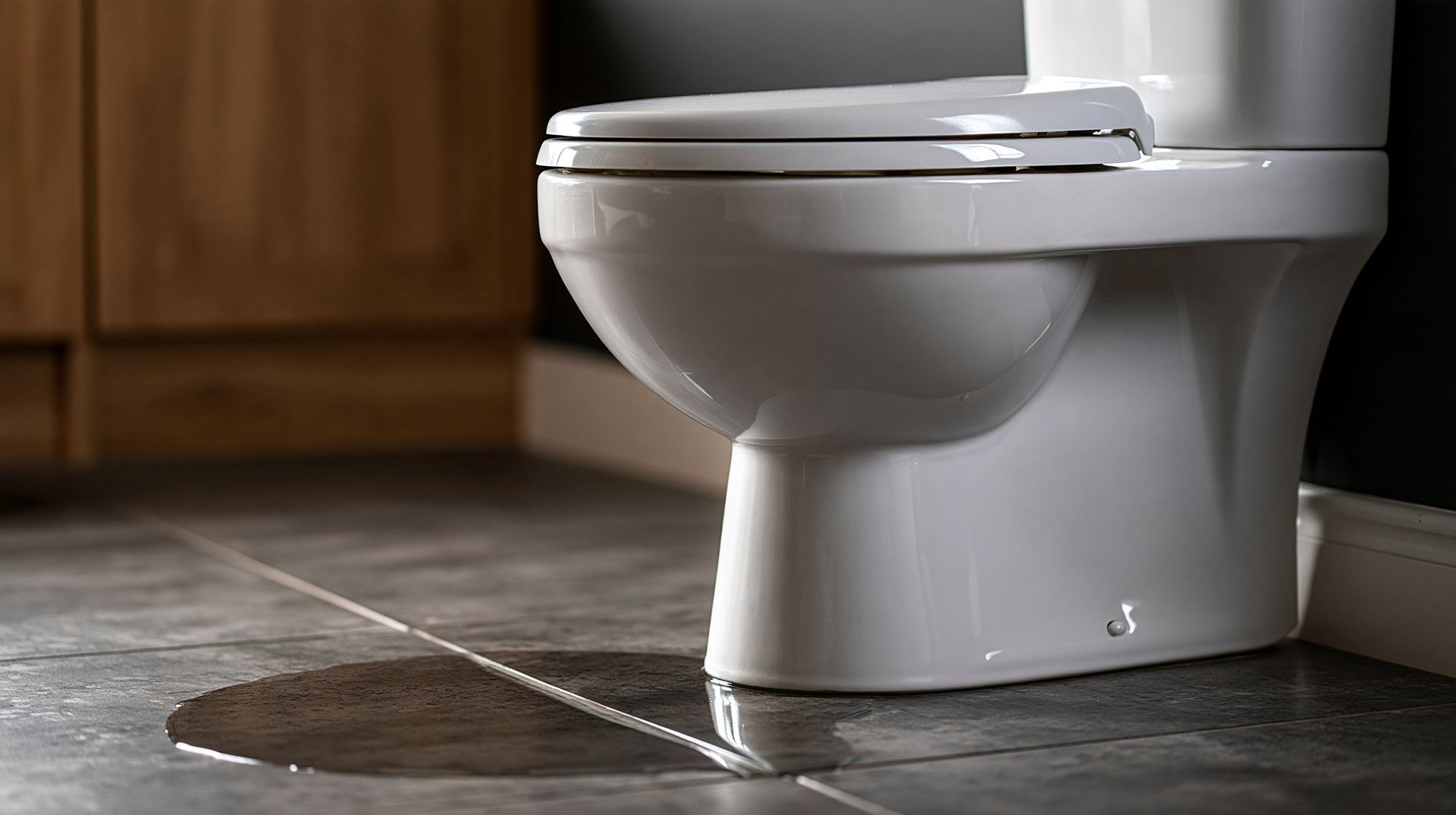
A leaking water supply pipe can reduce the amount of water reaching your fixtures.
Unlike a dripping faucet, a hidden leak may develop behind a wall, beneath a floor, or underground.
Watch for these warning signs:
- An unexplained increase in your water bill
- Damp walls, floors, or ceilings
- Unusual sounds of running water
- Water stains or musty odors
- A sudden decrease in water pressure
The EPA's WaterSense home maintenance guidance recommends regularly checking household plumbing for leaks and addressing problems promptly.
If you suspect a hidden leak, Edwards Plumbing provides plumbing installation, repair, and replacement services for homeowners throughout the Poconos.
3. Aging or Corroded Pipes
Older plumbing systems can develop internal corrosion or mineral deposits that gradually restrict water flow.
This can result in:
- Low pressure at multiple fixtures
- Discolored water
- Repeated plumbing leaks
- Reduced flow when several fixtures are running
When pipe deterioration becomes extensive, replacing damaged sections or updating the plumbing system may be necessary.
Learn more about repiping and rerouting services and when replacing older plumbing may make sense.
4. A Partially Closed Water Valve
Sometimes, low water pressure has a straightforward explanation.
If your home's main shutoff valve or a fixture's supply valve isn't fully open, water flow may be restricted.
This can happen after plumbing maintenance or repairs.
Before assuming there's a major problem, check whether an accessible valve was recently adjusted. Never force a stuck or damaged valve, since doing so could cause a leak.
5. Water Pressure Regulator Problems
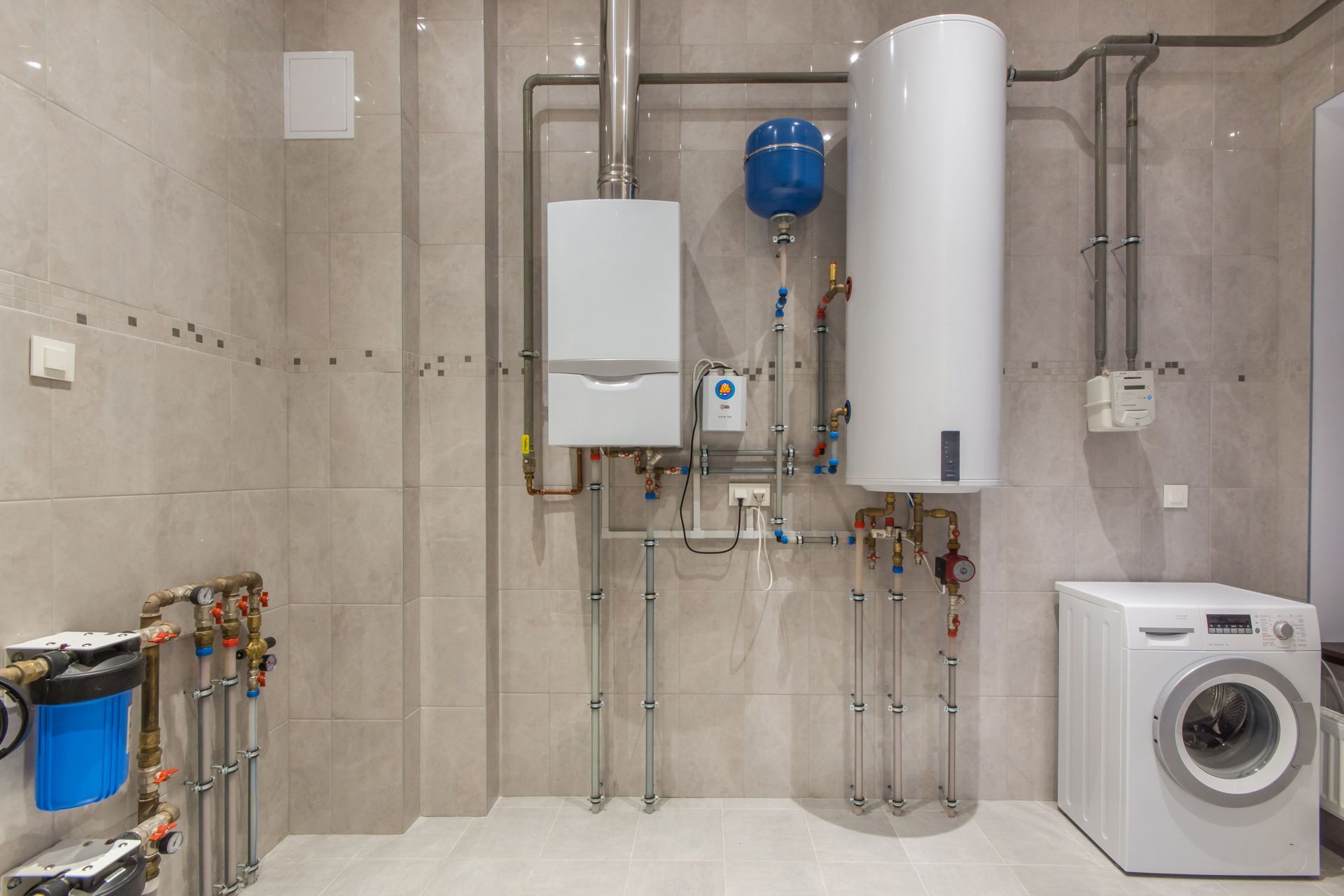
Some homes have a pressure-reducing valve that controls incoming water pressure.
If the regulator malfunctions, pressure may become unusually low, excessively high, or inconsistent.
According to the EPA's WaterSense recommendations, household fixtures generally perform best with incoming service pressure between 45 and 60 pounds per square inch (psi).
A professional plumber can determine whether the regulator needs adjustment, repair, or replacement.
Why Is My Water Pressure Suddenly Low?
A sudden drop in water pressure deserves attention, especially if multiple fixtures are affected.
Possible causes include:
- A newly developed plumbing leak
- A malfunctioning pressure regulator
- A partially closed main water valve
- A temporary municipal water supply issue
- A problem with a private well or pressure tank
If your home receives municipal water, check whether nearby properties are experiencing similar problems. Your water provider may be performing maintenance or responding to a water main issue.
If your home uses a private well, changes in water pressure may involve the pump, pressure tank, pressure switch, or available water supply.
Penn State Extension explains how private well systems rely on adequate water production and properly functioning pressure equipment in its guide to low-yielding wells.
If water pressure drops suddenly and you notice leaking water, shut off the water supply if it is safe to do so and contact a plumber.
Is Low Water Pressure Affecting One Faucet or the Whole House?
One of the easiest ways to narrow down a water pressure problem is to identify where it occurs.
Low Pressure at One Faucet
If one faucet has weak water flow but other fixtures work normally, the problem may involve:
- A clogged aerator
- A partially closed supply valve
- A faulty faucet cartridge
- A restriction in the fixture's supply line
These problems are often isolated to the affected fixture.
Low Pressure in the Shower
If your shower has weak water flow, mineral buildup inside the showerhead may be responsible.
However, problems with the shower valve or supply piping can also reduce water flow.
Check whether other bathroom fixtures are experiencing similar symptoms.
Low Pressure Throughout the House
When every faucet and shower has reduced flow, the problem may involve a larger portion of your plumbing system.
Possible causes include a main supply restriction, a significant leak, pressure-regulator problems, or issues with a private well system.
Whole-house pressure problems are generally worth investigating promptly, particularly when they develop suddenly.
Can Cold Weather Affect Water Pressure in Pennsylvania?
Yes. Cold temperatures can affect water flow when exposed or poorly insulated supply pipes begin to freeze.
Homes throughout the Pocono Mountains experience freezing winter weather, making vulnerable plumbing especially important to monitor.
Signs of a possible frozen pipe include:
- A sudden reduction in water flow during freezing temperatures
- Little or no water coming from a faucet
- Frost on exposed piping
- Unusual sounds when fixtures are opened
If you suspect a frozen pipe, avoid using open flames or other high-heat methods to thaw it.
A frozen pipe can also burst, potentially causing significant water damage when the ice melts.
For additional seasonal advice, read our fall plumbing maintenance checklist for Pennsylvania homeowners.
How Can You Check Low Water Pressure Before Calling a Plumber?
Before scheduling a plumbing inspection, there are a few simple observations you can make.
Step 1: Test multiple fixtures. Turn on faucets in different areas of your home to determine whether the problem is isolated or widespread.
Step 2: Compare hot and cold water. If only the hot water has weak flow, the issue may involve your water heater, valves, or hot-water piping.
Step 3: Check accessible valves. Look for a partially closed fixture supply valve or main shutoff valve. Avoid forcing valves that appear damaged or stuck.
Step 4: Look for visible leaks. Inspect accessible plumbing beneath sinks, around water heaters, and near exposed supply lines.
Step 5: Consider recent changes. Think about whether the problem started after plumbing work, a neighborhood water interruption, or a period of freezing weather.
These observations can help a plumber identify the likely cause more efficiently.
Avoid adjusting pressure switches, dismantling pressure regulators, or opening electrical well-pump equipment without appropriate professional experience.
When Should You Call a Plumber for Low Water Pressure?
Some water pressure problems can be corrected by cleaning a fixture or checking a valve.
However, professional plumbing service is recommended when:
- Water pressure drops suddenly throughout the house
- Multiple fixtures have consistently weak flow
- You notice unexplained moisture or signs of leaking pipes
- Your plumbing makes unusual noises
- Your water appears rusty or discolored
- Pressure fluctuates repeatedly
- Simple troubleshooting doesn't resolve the problem
A plumber can inspect your water supply piping, evaluate possible restrictions, and recommend repairs based on the underlying issue.
Why is my water pressure low all of a sudden?
Sudden low water pressure may result from a plumbing leak, water supply interruption, pressure regulator malfunction, or private well system problem. If the issue affects your entire house, professional inspection may be necessary.
Why is my shower pressure low but my sinks are fine?
When only your shower has weak water flow, a clogged showerhead, faulty shower valve, or restriction in the shower supply line may be responsible. Cleaning the showerhead is a reasonable first step.
Can a hidden leak cause low water pressure?
Yes. A significant leak in a water supply pipe can reduce the water reaching your fixtures. Other warning signs may include damp surfaces, unusual water sounds, or increased water bills.
Can old pipes cause low water pressure?
Yes. Corrosion and mineral deposits inside aging pipes can restrict water flow. In some cases, repairing or replacing deteriorated piping may restore normal flow.
Can a well pressure tank cause low water pressure?
Yes. A malfunctioning pressure tank, pressure switch, or well pump can cause low or inconsistent water pressure. These components should be evaluated by a qualified professional.
Who should I call for low water pressure in East Stroudsburg, PA?
Edwards Plumbing LLC provides residential plumbing repair services in East Stroudsburg and surrounding Pocono communities. Call (570) 534-5731 to discuss your water pressure concerns.
Professional Plumbing Repairs in East Stroudsburg and the Poconos
If you're dealing with low water pressure in your home, Edwards Plumbing LLC is here to help.
As a locally owned plumbing company with more than 20 years of experience, Edwards Plumbing provides residential plumbing services in East Stroudsburg, Stroudsburg, and surrounding communities throughout the Pocono Mountains.
Whether you're experiencing a plumbing leak, deteriorating pipes, or inconsistent water flow, our team can help identify the problem and recommend an appropriate solution.
Explore our plumbing service areas or contact Edwards Plumbing to discuss your plumbing concerns.
Call Edwards Plumbing at (570) 534-5731 to schedule service.
Share this blog!