Most plumbing emergencies don't happen overnight. In many cases, small issues develop over time before turning into costly repairs. Fortunately, there are several simple steps homeowners can take to help protect their plumbing system and reduce the risk of unexpected problems.
While routine maintenance can't prevent every plumbing issue, staying proactive can help extend the life of your plumbing system and give you peace of mind.
Here are eight practical ways to keep your home's plumbing running smoothly.
1. Watch for Small Leaks
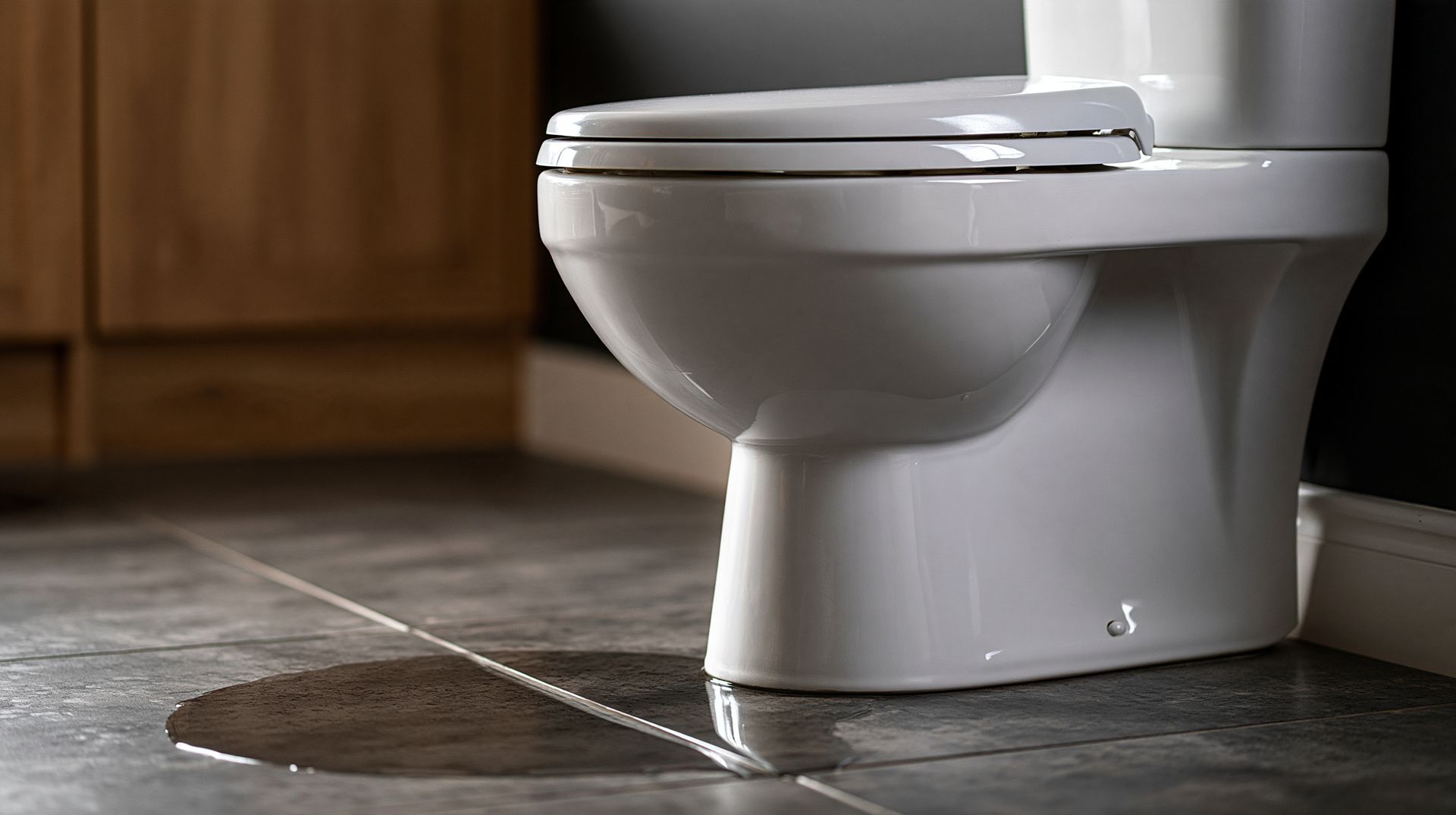
A dripping faucet or a slow leak under the sink may not seem like a big deal, but even minor leaks can waste water and lead to larger problems if left unattended.
Regularly inspect:
- Faucets
- Toilets
- Under sinks
- Around appliances
- Water heaters
If you notice signs of moisture, it's best to address them before they become more serious.
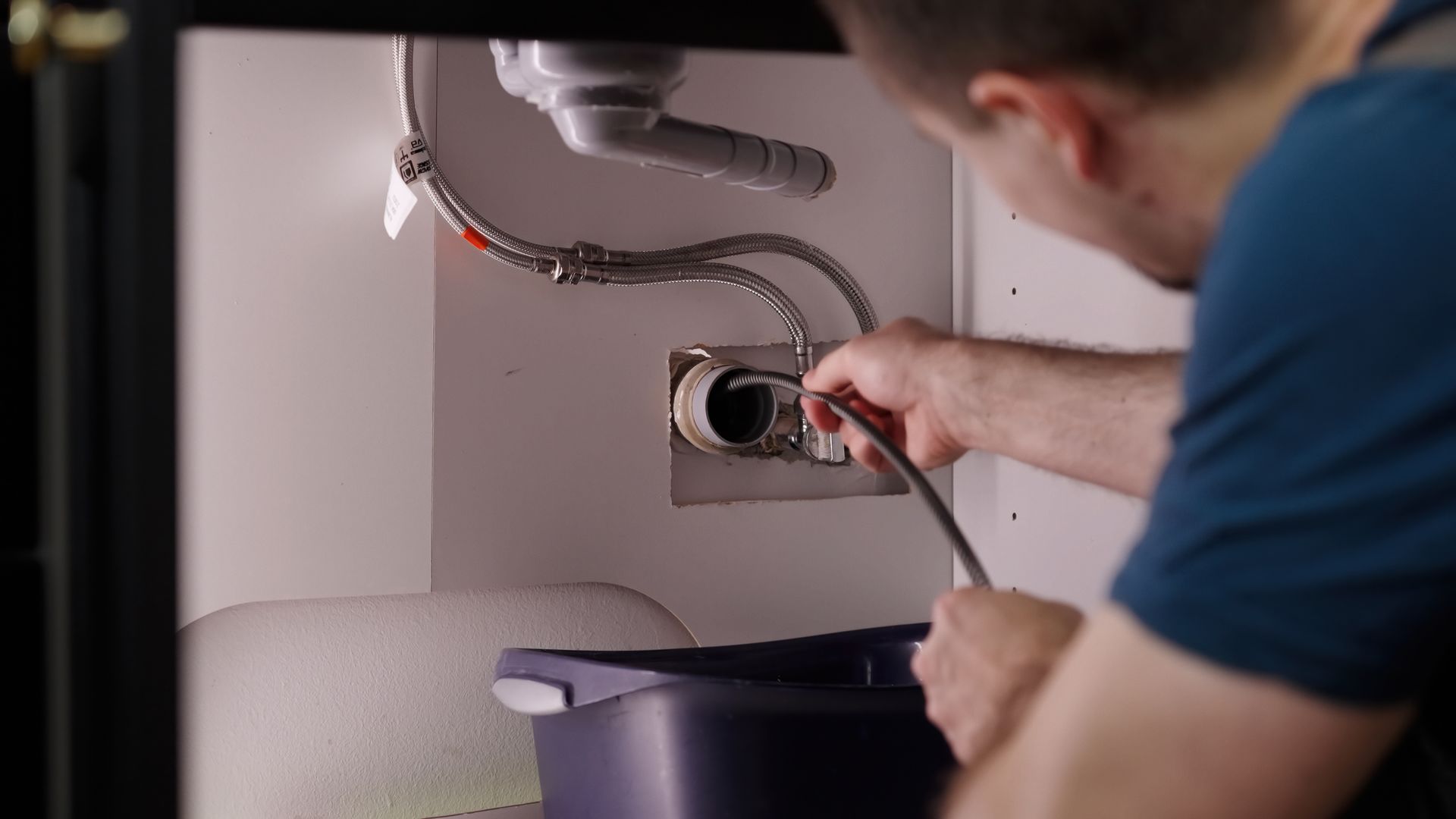
2. Be Careful What Goes Down the Drain
Many clogged drains are preventable.
Avoid putting these items down your drains:
- Grease and cooking oils
- Coffee grounds
- Food scraps
- Paper towels
- Hygiene products
- "Flushable" wipes
Using your plumbing system properly helps reduce unnecessary blockages.
3. Check Your Water Heater
Your water heater works every day, yet it's often forgotten until something goes wrong.
Watch for:
- Water around the base
- Rust-colored water
- Strange noises
- Inconsistent hot water
- Reduced performance
If you notice any of these warning signs, scheduling an inspection can help prevent more expensive repairs.
4. Protect Pipes During Cold Weather
Frozen pipes are one of the most common causes of major plumbing damage.
Before temperatures drop:
- Disconnect outdoor hoses
- Insulate exposed pipes
- Seal air leaks around pipes
- Keep indoor temperatures consistent
Taking these precautions can significantly reduce the risk of frozen pipes.
5. Pay Attention to Water Pressure
Low water pressure isn't always just an inconvenience.
It may indicate:
- Hidden leaks
- Pipe corrosion
- Mineral buildup
- Plumbing system issues
A professional evaluation can help identify the cause before it worsens.
6. Know Where Your Main Water Shut-Off Valve Is
Every homeowner should know how to shut off their home's water supply.
In the event of a burst pipe or major leak, quickly turning off the water can help minimize property damage while you wait for professional repairs.
7. Schedule Routine Plumbing Inspections
Even if everything appears to be working properly, routine inspections allow plumbers to identify developing problems before they become emergencies.
Preventative inspections may help identify:
- Small leaks
- Aging fixtures
- Corrosion
- Drain issues
- Water heater concerns
Preventative maintenance is often less expensive than emergency repairs.
8. Call a Professional When Something Doesn't Seem Right
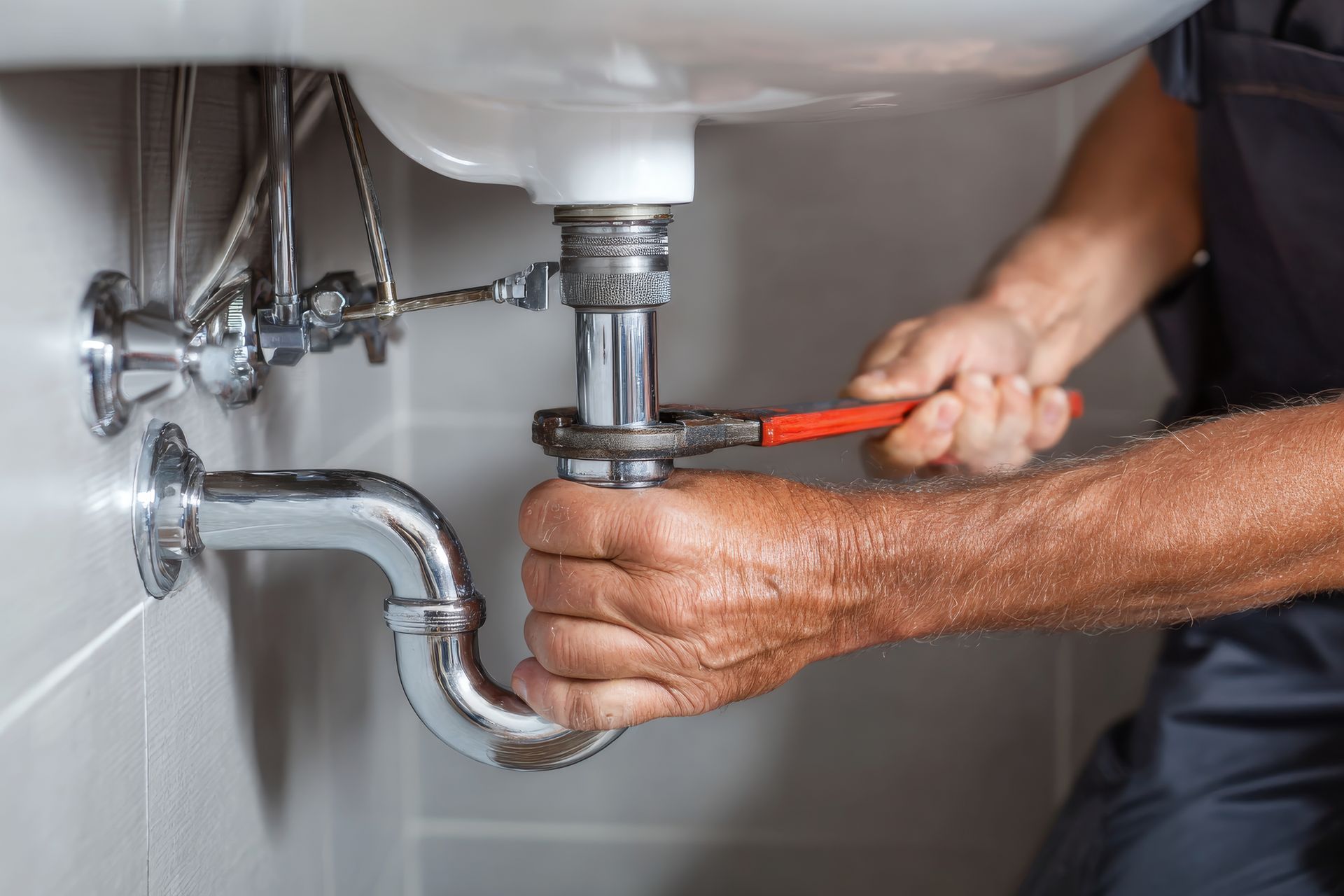
Many homeowners try to ignore plumbing problems until they become impossible to overlook.
If you notice:
- Slow drains
- Frequent clogs
- Water stains
- Unusual noises
- Persistent leaks
It's a good idea to have your plumbing system inspected by a qualified professional.
A Little Prevention Goes a Long Way
Your plumbing system plays an important role in your home's comfort and functionality. Taking simple preventative steps today can help reduce unexpected repairs tomorrow.
If you have concerns about your plumbing system or would like to schedule a professional inspection, Edwards Plumbing is here to help with dependable service and honest recommendations.
Contact Edwards Plumbing today to schedule your plumbing inspection or repair service.
How often should I schedule a plumbing inspection?
Most homeowners benefit from scheduling a plumbing inspection at least once a year, especially if the home has older pipes, frequent clogs, water pressure issues, or an aging water heater.
What should I avoid flushing down the toilet?
Avoid flushing hygiene products, paper towels, cotton swabs, and even so-called flushable wipes, which can contribute to clogs and plumbing blockages.
What are warning signs of a water heater problem?
Common warning signs include water around the base, rust-colored water, strange noises, inconsistent hot water, and reduced hot water performance.
How can I prevent frozen pipes during cold weather?
Disconnect outdoor hoses, insulate exposed pipes, seal air leaks, and keep indoor temperatures consistent to help reduce the risk of frozen pipes.
When should I call a professional plumber?
Call a professional plumber if you notice slow drains, frequent clogs, water stains, unusual noises, persistent leaks, low water pressure, or any plumbing issue that does not seem normal.
Share this blog!